Location
Ten Considerations How to Position Your Home on Your Lot
October 25, 2021
-
Get Your Free Guide Book
Inspiration, process, and more to get you started on the right foot.
-
Find a Design Studio
Our team of experts is available to design and build your dream home typically within 75 miles of our Design Studios. Find a location near you.
Sometimes it starts with a piece of land.
Many of our customer’s homeowner stories begin this way: a few acres in an inspired location where they’ve always wanted to put down roots or a section or lot is given to them by family. If you already have land or are looking for land to build on, at Schumacher Homes we’re happy to be a part of your journey. We’re experts in helping you assess all different types of land scenarios and how to ensure your home is optimally positioned on the land itself.
Unlike buying an existing home where the structure sits on a lot that is pre-determined and established, many custom homebuilding scenarios require as much thoughtful consideration into lot position as choosing the right house plan.
The optimal position of where to build maximizes yard space, curb appeal, energy efficiency, driveway placement, and overall investment. The factors to consider are many. We’ll break things down for you in an informative way that speaks to your budget and translates into choices with clearly defined outcomes for your home’s design and construction.
1. State of the land
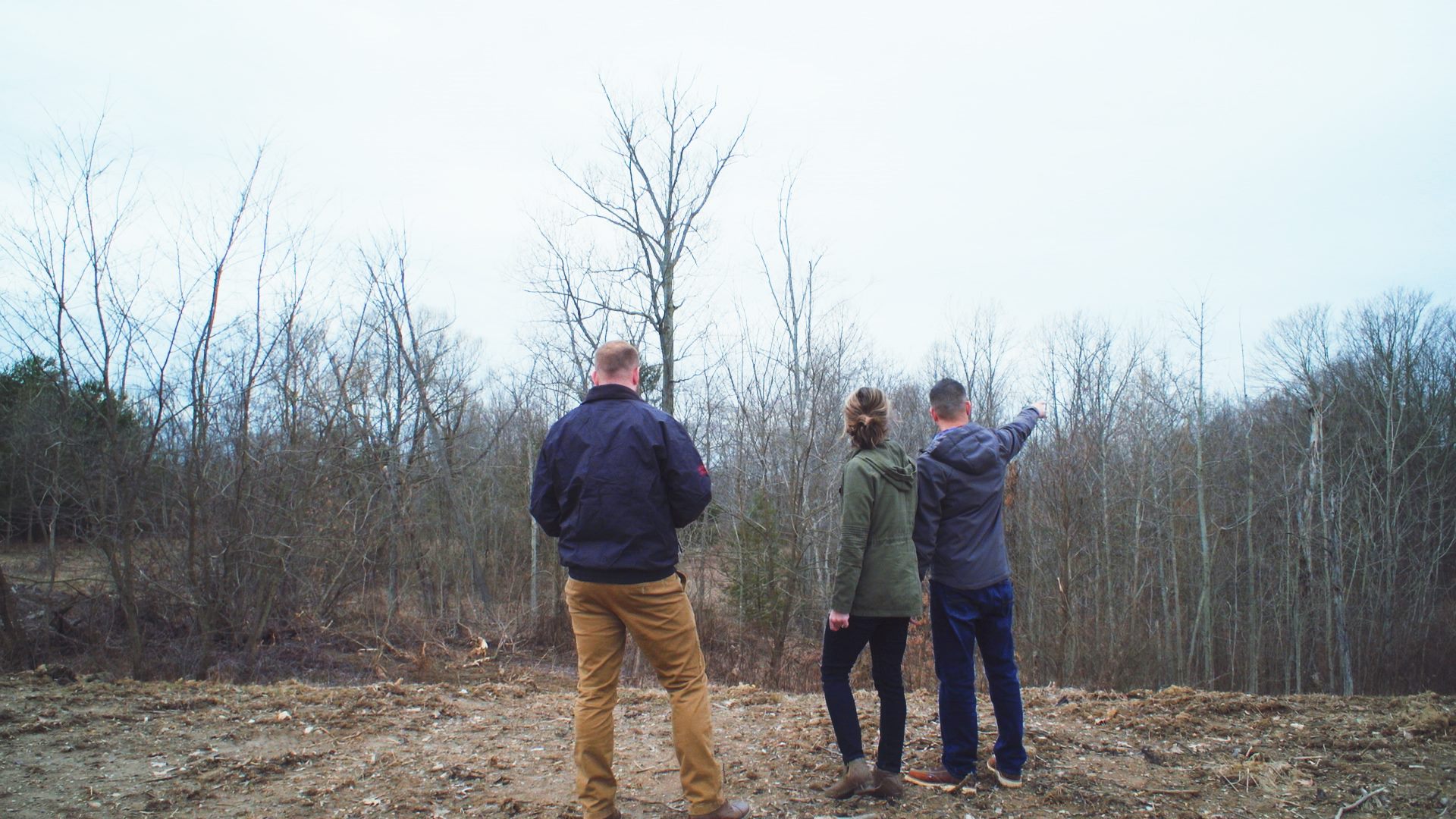
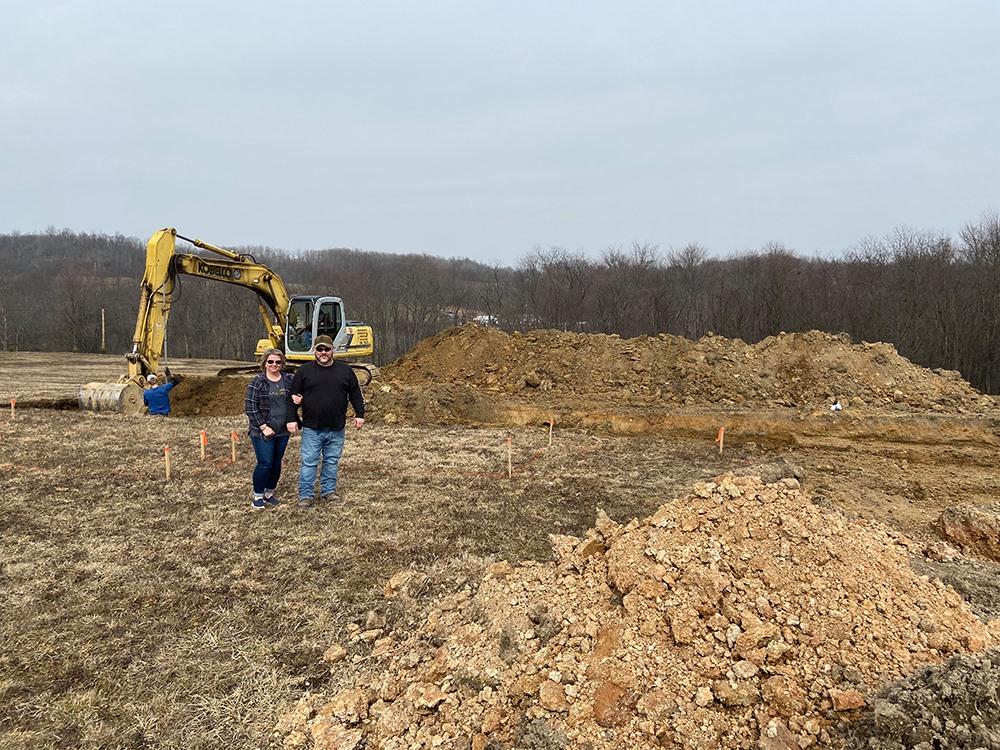
What’s the current state of the land where you’re planning to build? We’ll assume the land has already been evaluated, because that’s a conversation in itself. Then, you’ll need to consider if you’re land needs to be cleared and excavated. Obviously, the more labor required to make a lot “shovel-ready” can impact your home’s construction budget and schedule. We’re prepared to support you on lots that are ready to build on or in need of more extensive pre-construction work.
2. Clean Slate or Preservation
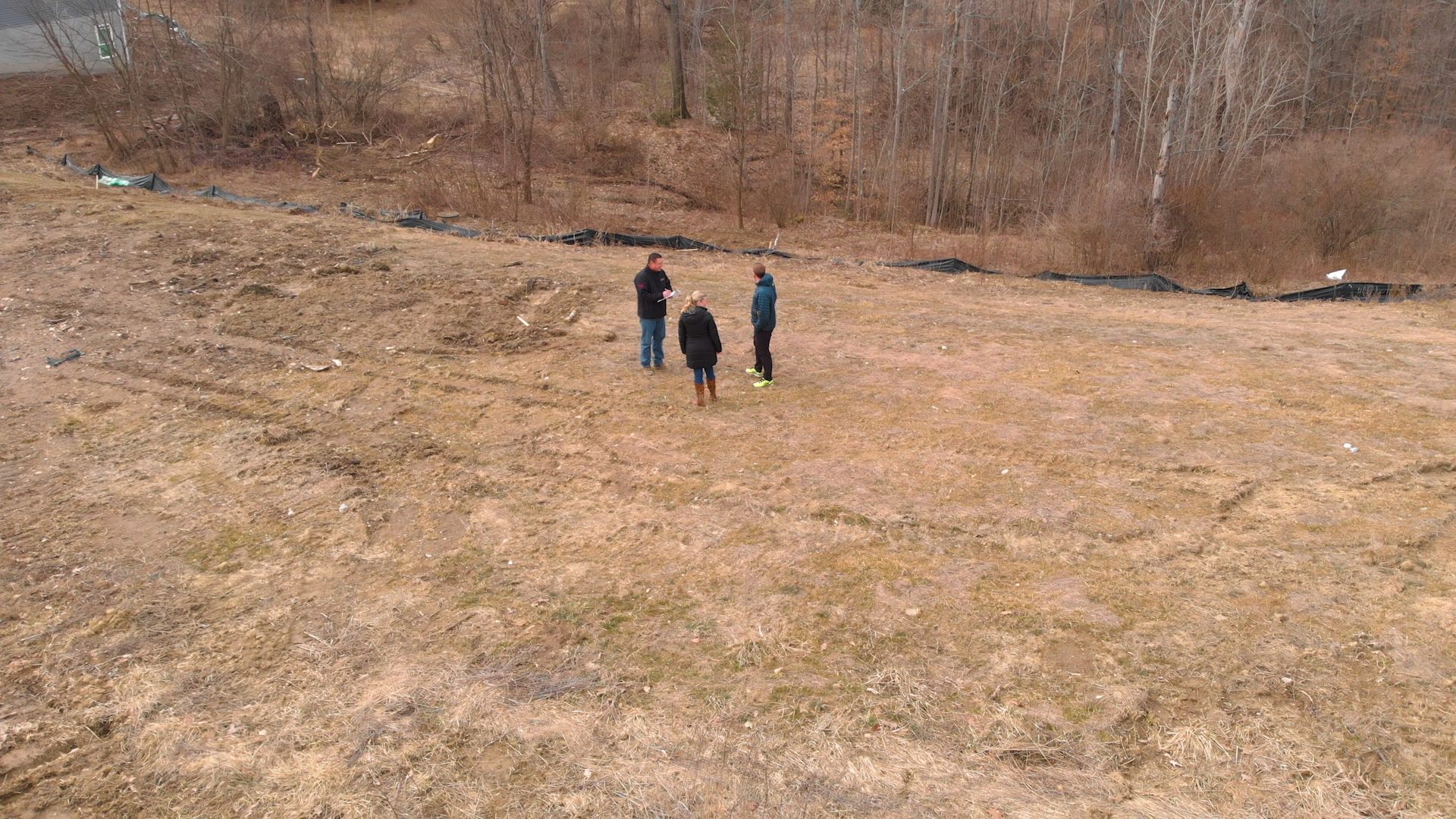
When you’re clearing your future home site, you’ll want to have a plan in place with your builder in case any part of the land’s natural state needs to be preserved. This could include a cluster of trees, certain topographical elements, or even a nearby stream or creek. Depending on your home’s floorplan, preserving certain natural elements can add character and functionality while mitigating the need for more heavy excavation. However, as it pertains to slope, drainage, and the overall grade of the land, the decision on what to clear and what to preserve can become more involved.
3. Excavation and Fill
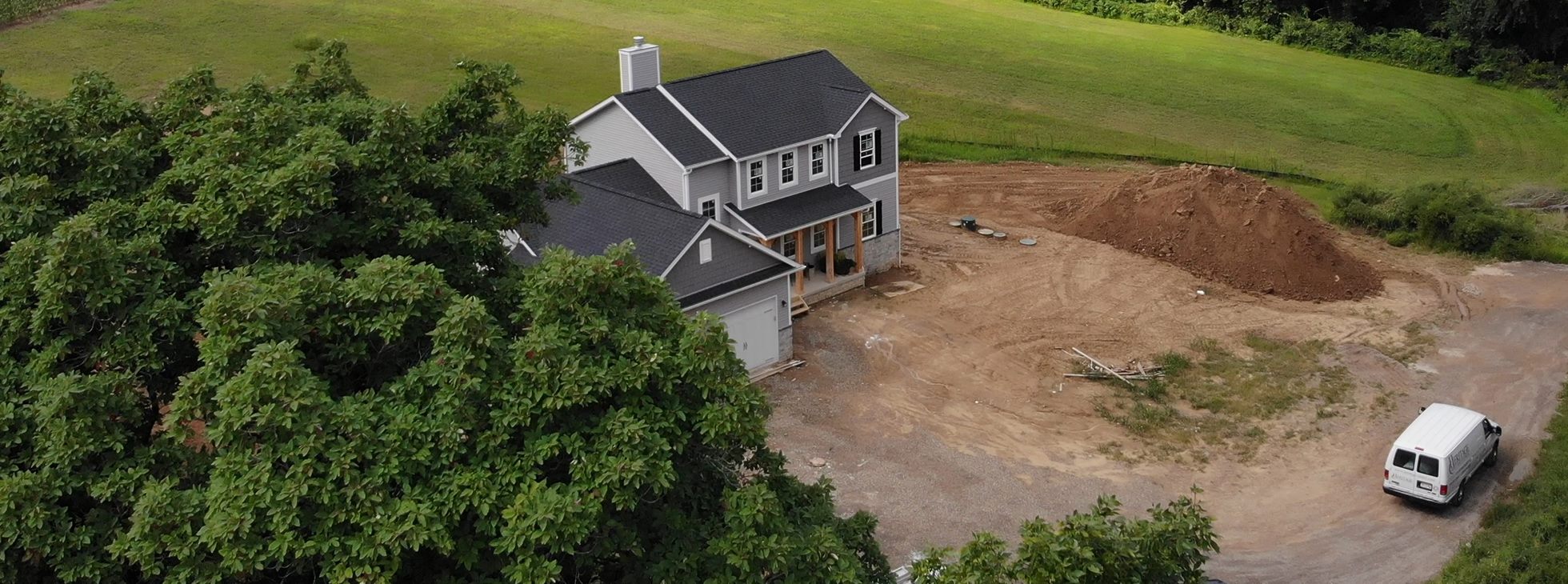
Closely related to the effort and work needed to clear your lot will be the amount of excavation and fill. Excavating a large amount of soil can increase your budget and take more time. So can filling it in if there’s not enough soil for the proper grade.
4. Making the Grade
Thinking like a builder means looking at land differently. A lovely section of property sitting on the side of a hill might seem like a reasonable enough location, but a builder sees a list of potential complications: slope, drainage, and uneven land grade to name a few. A slight to moderate slope or what might be seen as a gentle grade, can benefit curb appeal, drainage, and irrigation. In contrast to that, a steep slope or hillside lot can greatly affect the complexity of your home’s foundation and the costs associated with its construction.
5. Foundation Requirements
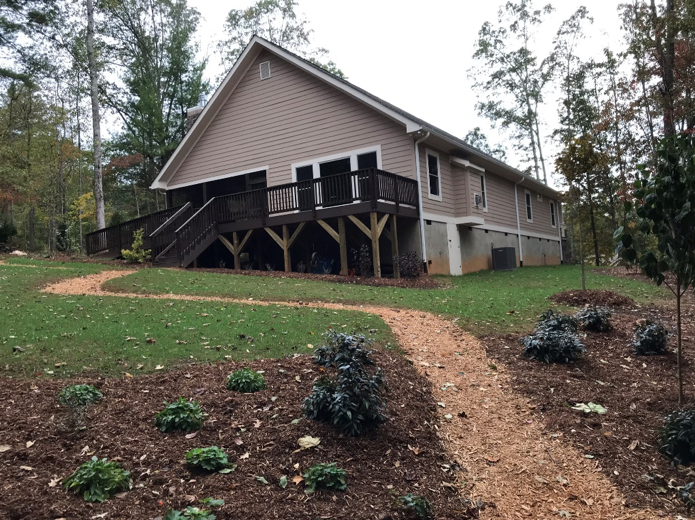
Basement, crawlspace, slab, or elevated (pier). We build custom homes on all different types of foundations. Why it matters for determining your home’s optimal lot position? It goes hand in hand with your home’s layout and in determining your building budget’s bottom line. Additionally, only certain types of foundations may be possible with specific clearing and excavation scenarios. The finished grade of the lot you’re building on may inform not only your house plan’s above ground options but below ground as well.
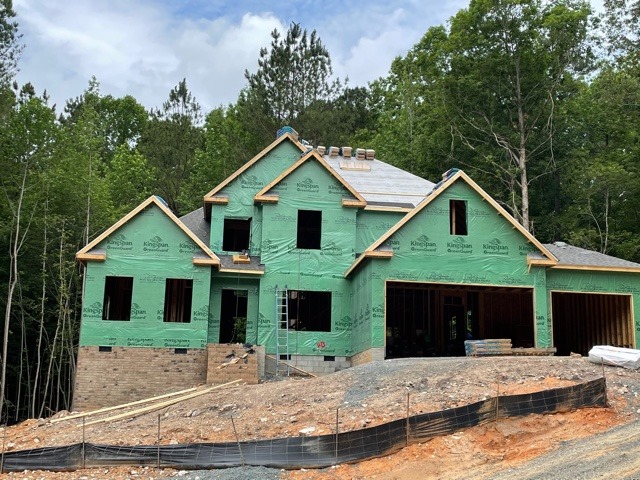
With proper planning, your home’s position on a steep lot could bring out some dramatic flourishes and expand its potential living space.
6. Walkout Basement
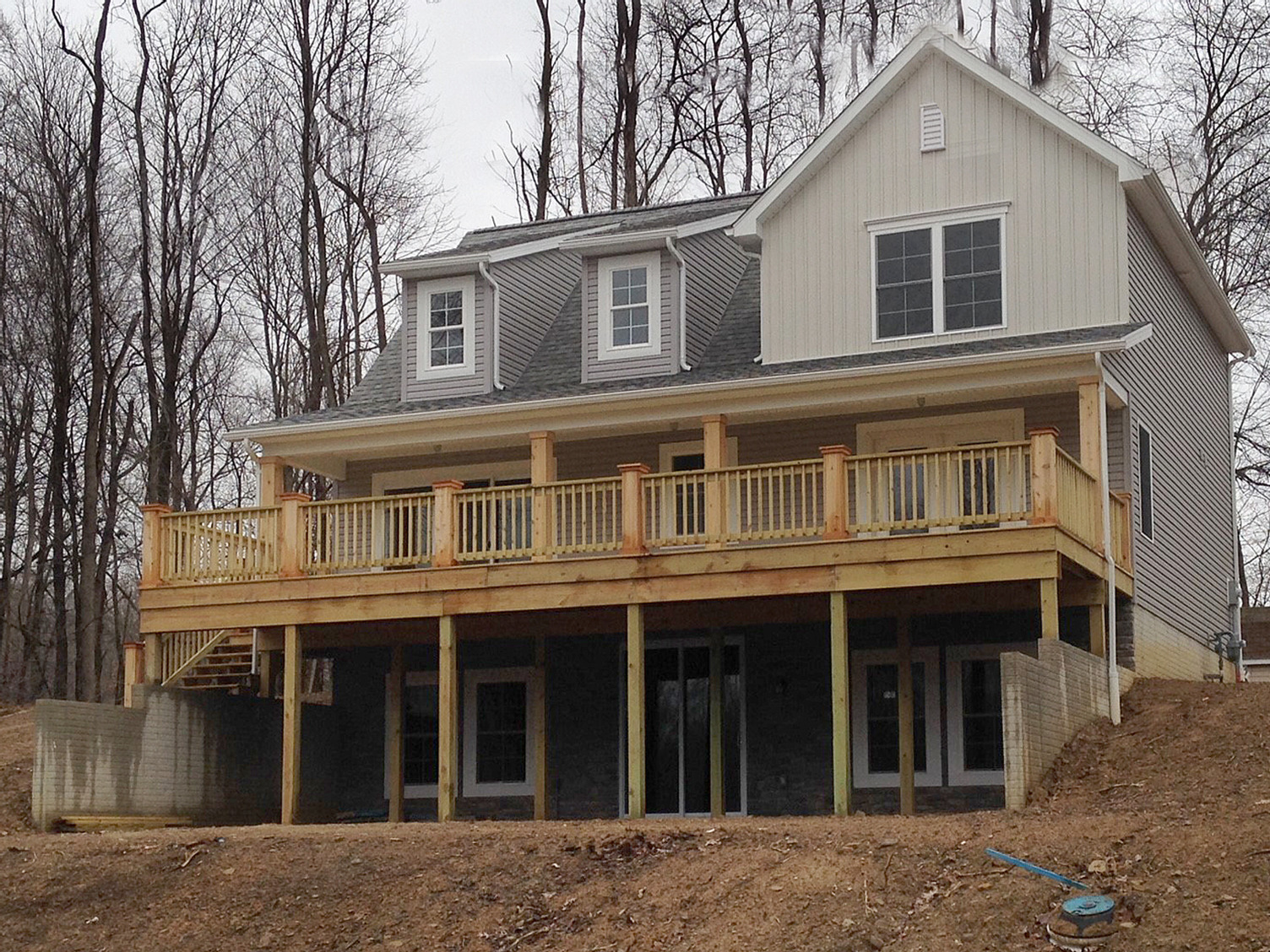
If you’re looking to build on a hill or steeper grade of land, a walkout basement may be the right solution to add extra space and value. A walkout basement turns the drawbacks and added costs of hillside home construction into the increased value of extra storage and living space.
7. Distance To And From
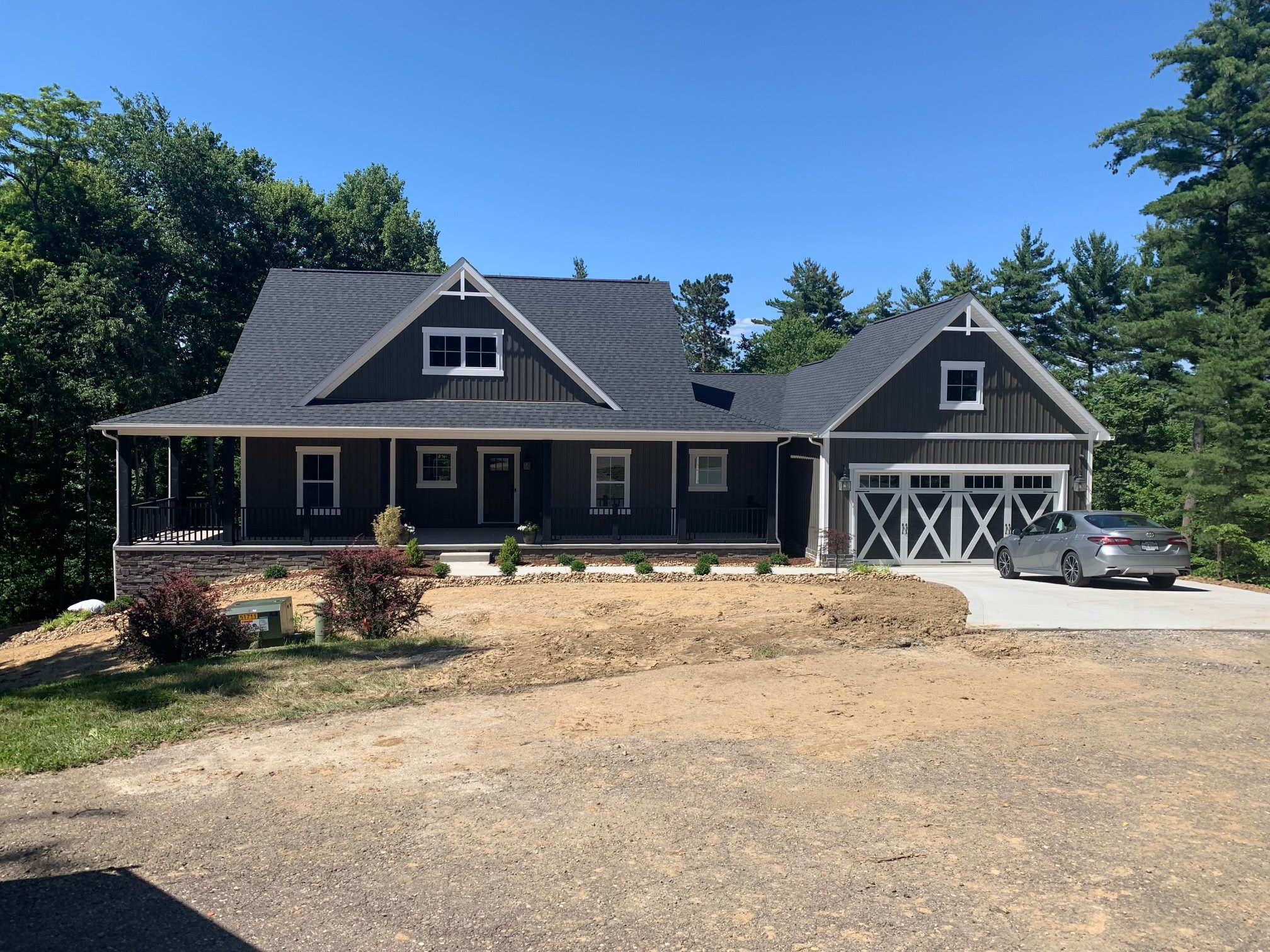
You don’t need a palatial estate with a winding private drive to achieve stunning curb appeal. Work with your builder to maximize your home’s position and its distance from the road. Even homes built on smaller parcels can have an ample front and back yard with the right lot position. It’s also worth mentioning, homes sitting further back in their lot may require more work for utility and other service connections while maintaining the compulsory distance from other property lines.
8. Waterways
As mentioned earlier in this article, outside of trees, large stones, and other land debris that need to be cleared or preserved, a creek or watercourse may also be a determining factor in where your home can be built on your land. In some cases, if your lot is near a designated area protected from particular types of development, you may have to work within certain excavating and grading rules.
9. Adjacent Homes
If your new home is being built in an existing neighborhood, be aware of any homeowner’s association architectural or landscaping codes that could affect your home’s construction and to that end, its lot placement. Examples might include:
- The distance of the driveway to the street
- The number of trees cleared or preserved
- The location and existence of a fence, deck, parking pad, shed or other structures on your lot
10. Weathering the Elements
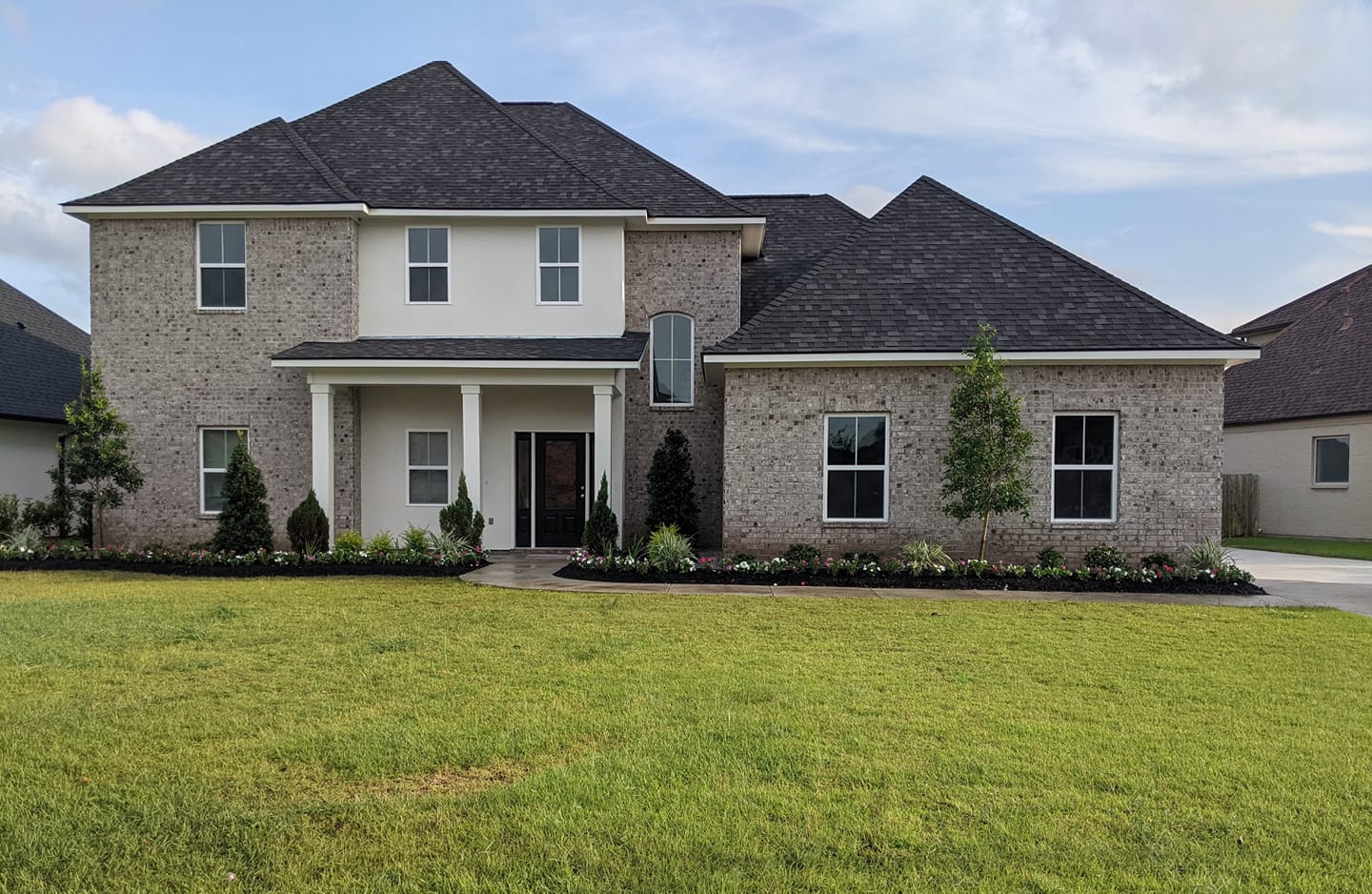
We round out this list with a final consideration given to weather orientation. We’ve all heard about southern and northern exposure and their effect on a home’s exterior and interior. But having the ability to control how your home will face seasonal changes and weather patterns is potentially one of the biggest advantages to a custom home. Before you build, be sure to talk to your builder and consider exposure to sunlight and other natural elements. This can help answer other questions down the line – from what to keep or clear, how much to grade – even where to put certain rooms in your layout and whether your home faces east or west. In short: when you build custom, you have the power to position your home for the long term.
Have Questions? Let's Talk.
Frequently Asked Questions
When in the planning process should I hire a custom home builder?
Ideally, you should involve a builder before you finalize plans or purchase land. Bringing them in early lets you align design with budget and avoid costly site surprises.
What financial questions should I ask beyond price and contract type?
Ask how and when payments are collected, whether they help coordinate with your lender, and what happens if your appraisal comes in low. Clarify policies for cost overruns.
How is working with a fully custom builder different from a semi-custom or production builder?
Fully custom builders offer more flexibility in floor plans and materials but usually require more decisions. Semi-custom or production builders often limit choices, which can simplify decisions but restrict personalization.
What are warning signs that I should avoid a particular custom home builder?
Be wary of builders who resist putting details in writing or pressure you to sign quickly. Frequent staff turnover, poor responsiveness, or inconsistent online reviews can also signal future problems.
How should I prepare before my first meeting with a custom home builder?
Come with a realistic budget range, a list of must-haves, and any example floor plans you like. If you already own land, bring any surveys or documents you have.
What should I ask about building in an HOA or master-planned community?
Ask if the builder has worked with that HOA before and how they handle architectural review approvals. Confirm how HOA rules might affect your design and exterior materials.
How can I evaluate a builder’s approach to healthy, sustainable materials?
Ask which low-VOC paints and flooring they use by default and what eco-friendly options are available. Request examples of past projects where they incorporated energy-efficient systems and durable materials.