Location
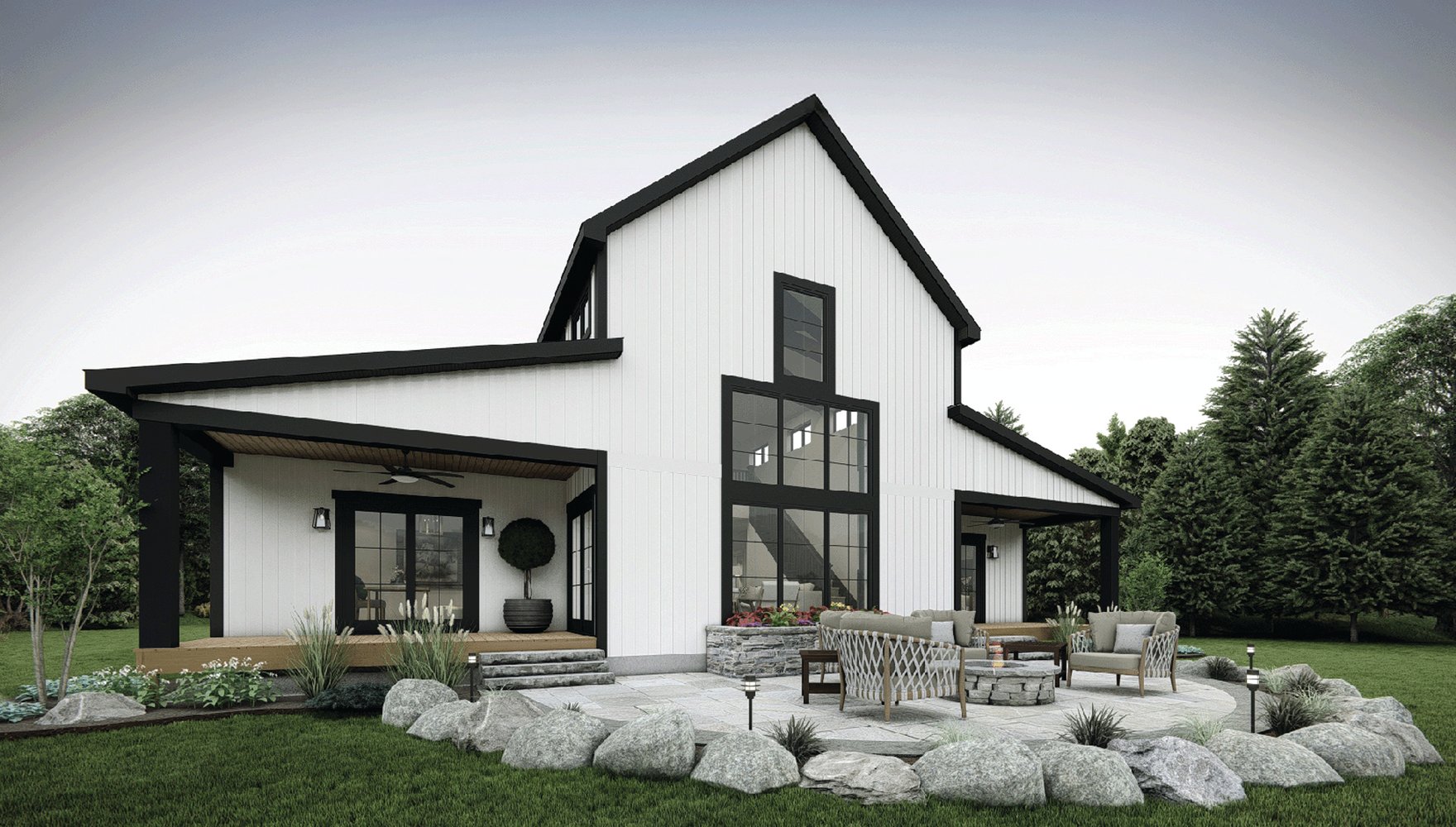
What is a Barndominum: Exploring the Latest Trend in Home Building
December 12, 2022
-
Get Your Free Guide Book
Inspiration, process, and more to get you started on the right foot.
-
Find a Design Studio
Our team of experts is available to design and build your dream home typically within 75 miles of our Design Studios. Find a location near you.
Barndominums are a home-style trend that is rapidly growing in popularity. Also known as a barndo, this style combines the concept of a barn and a home in an open concept living space; hence barn + condominium = barndominum!
This building style was first mentioned in a 1989 New York Times article and has become more and more common in recent years thanks to HGTV shows.
Why Barndominiums
Naturally, barndominiums have a rustic feel which can be a selling point for some. In recent years the farmhouse style has been a popular choice for homeowners. So, it should be no surprise that barndos are growing in popularity in the last few years building on that trend. The exterior style also can carry into the interior of the home easily with design choices.
High ceilings and open-concept floor plans are both popular characteristics of these barndominium homes. Since barndos combine both these aspects, choosing this style is a no-brainer for homeowners.
Not only is this home style aesthetically appealing, but they’re also practical. A benefit of barndominums is they are extremely customizable. It’s very easy to adjust the floor plan to fit your family’s needs. Need to add a fourth bedroom or want to make the owner’s retreat bigger? It’s very easy to do with a barndo to make this style of home perfect for your everyday life.
Building a Barndominium
If building a barndominium is something you’re interested in, Schumacher Homes has two options that may just be the perfect fit for your family’s needs. Both the Yellowstone and Heartland plans invoke the classic barndo style with high ceilings and an open floor plan. Outdoor living space is a top priority for both plans and each home includes three separate covered porches for homeowners to take advantage of; one in the front and two in the rear of the home.
The Yellowstone plan is a one-story plan that has 3 beds and 2 baths. With 1948 sq. ft. this expansive open layout is a perfect plan if you like entertaining. Natural light is at no shortage in this plan as the main living space is located beneath a two-story ceiling that is accented with clerestory windows. The kitchen includes a large island and pantry to the side.
Looking for a two-story barndominum instead? The Heartland is a great option with 3 bedrooms and 3 bathrooms in a 2459 sq. ft. space. The owner’s retreat is on the first floor of the home and the remaining bedrooms can be found on the second floor adjacent to the loft space overlooking the great room. In addition, this plan also features not only a Flex Room on the first floor but also includes a pantry, mud room and laundry room.
Each plan is available in both a Modern Farmhouse and Craftsman exterior, so there is sure to be an option that fits your design style.
Have Questions? Let's Talk.
Frequently Asked Questions
When in the planning process should I hire a custom home builder?
Ideally, you should involve a builder before you finalize plans or purchase land. Bringing them in early lets you align design with budget and avoid costly site surprises.
What financial questions should I ask beyond price and contract type?
Ask how and when payments are collected, whether they help coordinate with your lender, and what happens if your appraisal comes in low. Clarify policies for cost overruns.
How is working with a fully custom builder different from a semi-custom or production builder?
Fully custom builders offer more flexibility in floor plans and materials but usually require more decisions. Semi-custom or production builders often limit choices, which can simplify decisions but restrict personalization.
What are warning signs that I should avoid a particular custom home builder?
Be wary of builders who resist putting details in writing or pressure you to sign quickly. Frequent staff turnover, poor responsiveness, or inconsistent online reviews can also signal future problems.
How should I prepare before my first meeting with a custom home builder?
Come with a realistic budget range, a list of must-haves, and any example floor plans you like. If you already own land, bring any surveys or documents you have.
What should I ask about building in an HOA or master-planned community?
Ask if the builder has worked with that HOA before and how they handle architectural review approvals. Confirm how HOA rules might affect your design and exterior materials.
How can I evaluate a builder’s approach to healthy, sustainable materials?
Ask which low-VOC paints and flooring they use by default and what eco-friendly options are available. Request examples of past projects where they incorporated energy-efficient systems and durable materials.