Location
Arts and Crafts vs. Craftsman in Home Design
November 06, 2023
-
Get Your Free Guide Book
Inspiration, process, and more to get you started on the right foot.
-
Find a Design Studio
Our team of experts is available to design and build your dream home typically within 75 miles of our Design Studios. Find a location near you.
Building a house from the ground up allows creating a forever living space that meets two important goals: providing ample room for your family to live comfortably and having an attractive exterior.
With so many architectural styles to choose from, it can be overwhelming to decide on the design for your custom home. A Craftsman house may be the perfect choice if you prefer a low-profile structure that is not overly modern or opulent but is still striking. This article delves into the Craftsman architectural style and how it relates to the Arts and Crafts home design philosophy.
A Brief History of Craftsman Home Design
From 1900 to 1929, the Craftsman movement emerged as a reaction to the engineering feats of the Industrial Revolution. This era witnessed a surge in the construction of soaring buildings using mass-produced materials like steel framing, reinforced concrete and glass. In response to this trend, Craftsman homes were built with natural materials, such as wood cladding, stucco and stone foundations. The American Craftsman movement was named after “The Craftsman” magazine, first published in 1901. The periodical, founded by Gustav Stickley, featured Craftsman influences in the content, such as the principles of British Arts and Crafts.
Craftsman-style architecture prioritizes simplicity of form, ruggedness, and durability over extravagant embellishments, in contrast to Victorian architecture that flourished during the Industrial Revolution. Victorian-style homes typically range from two to three stories, showcasing scalloped shingles, porches that hug the perimeter, and steep gable roofs with decorative trim, turrets, towers and dormers. In contrast, Craftsman-style homes are typically one to two stories or split levels and feature low-pitched gable roofs and clean, horizontal lines both in the exterior and interior.
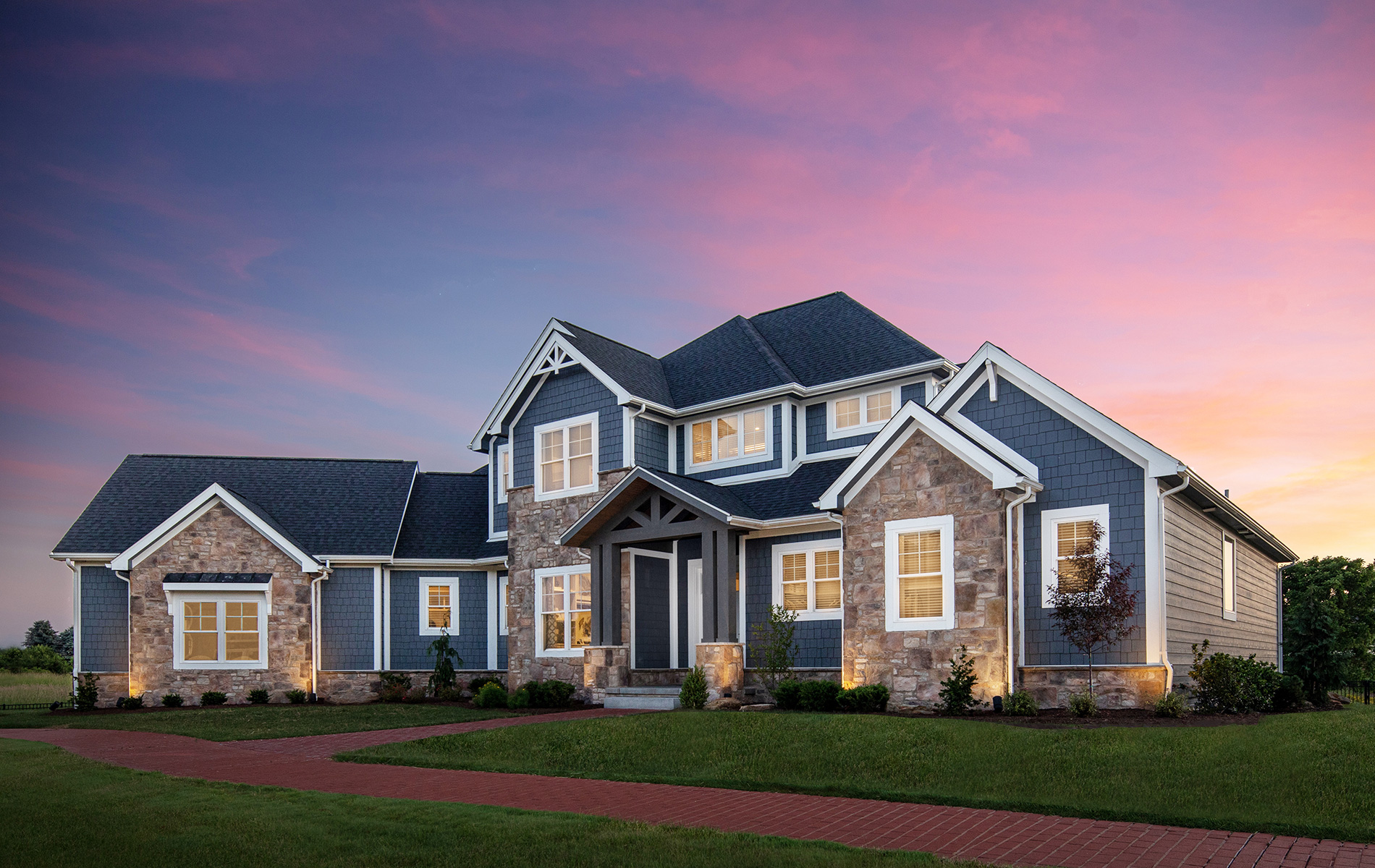
Although the Craftsman style doesn’t prioritize ornamentation, the design does include focal points in the form of exposed beams and rafters, tapered columns, roofs with eaves that extend past the roofline and front-facing porches.
Craftsman-style houses are all over the United States, but their impact was most significant in California. Movement pioneers Charles and Henry Greene built Japanese-influenced Craftsman houses throughout the state. The principles and aesthetics of Craftsman design also influenced the creation of the California bungalow.
How Craftsman Differs From Arts and Crafts
Arts and Crafts is a design philosophy and aesthetic focus that inspired American Craftsman home design. The Arts and Crafts movement originated in Britain during the 1870s as a response to the Industrial Revolution in Europe. It prioritized natural materials and artisan handcrafting over mass-produced materials and methods. Conversely, Gustav Stickley was not entirely opposed to mass production.
William Morris, a prominent leader of Arts and Crafts home design, is known for his buildings that drew inspiration from Medievalism and Pre-Raphaelite styles, emphasizing decorative arts. The philosophy gained popularity in the United States during the 1890s. An Arts and Crafts home often features tiled interiors and exteriors, as well as wood and stone exteriors. The style also incorporates decorative and functional accents and typically includes open floor plans.
Structural & Decorative Elements to Include in a Craftsman Home
Colors
Craftsman architecture celebrates natural materials, and the buildings often showcase colors that reflect the beauty of nature. To stay true to the design style, consider using clay reds, mossy greens, warm browns or sandy beiges for your exterior siding. Select an unrelated accent color for the trim on your single- or double-hung windows for a touch of contrast. This rustic color scheme is also popular for creating a cozy Craftsman interior.
Textures
When it comes to decorating the inside of a Craftsman-style home, it's best to choose tile backsplashes and light fixtures and kitchen and bathroom hardware made of bronze or other metals to complement the predominant use of wood. Similarly, the exterior of a Craftsman-style home often features textural differences, like a brick or stone foundation, chimney, or wainscot, which provide a visually exciting contrast against exterior walls covered in stucco or wooden shingles.
Furniture Pieces
Craftsman-style homes have a unique interior design that features built-in components made of mid-tone woods, like oak and maple. This design element replaces standalone furniture pieces and adds to the overall aesthetic of the home. If you're building a custom home, it's important to include built-in furnishings such as shelving, bookcases, cabinets, window seats and a breakfast nook with benches to stay true to the Craftsman style.
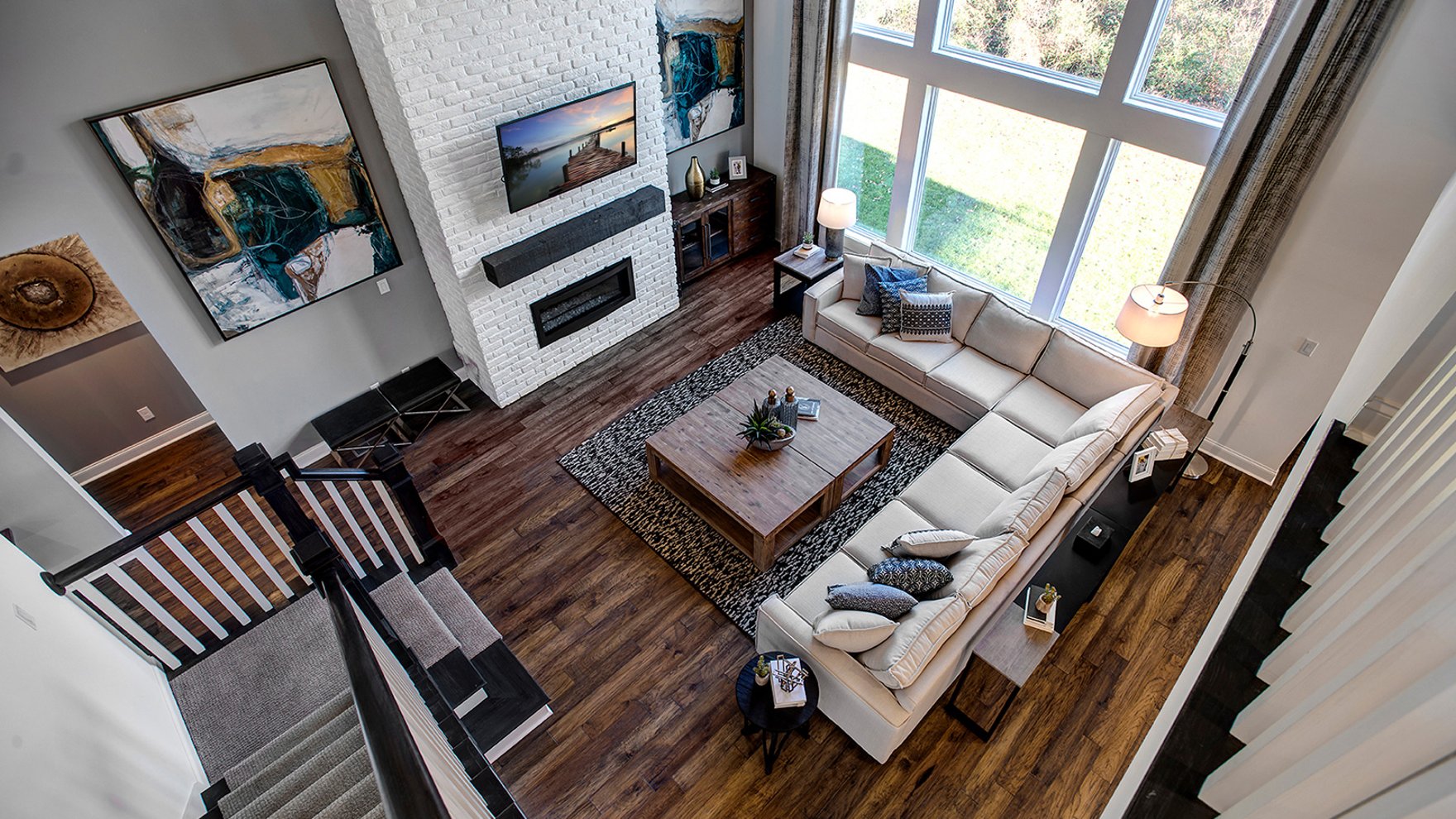
Solid wooden chairs and tables complement the built-in features and add to the overall look. The interior of a Craftsman house typically includes a fireplace and an open floor plan. To define the living room, consider placing a sectional sofa facing the fireplace.
Accessories
Consider investing in pillows and cushions to enhance the built-in seating for added comfort. It's essential to choose patterns and colors that complement the room’s overall color scheme. In Craftsman design, stained glass and beveled windows enclosed by thick wooden frames are popular fixtures. Also, a front porch with a wooden porch swing is an excellent functional focal point on the Craftsman exterior.
Have Questions? Let's Talk.
Frequently Asked Questions
When in the planning process should I hire a custom home builder?
Ideally, you should involve a builder before you finalize plans or purchase land. Bringing them in early lets you align design with budget and avoid costly site surprises.
What financial questions should I ask beyond price and contract type?
Ask how and when payments are collected, whether they help coordinate with your lender, and what happens if your appraisal comes in low. Clarify policies for cost overruns.
How is working with a fully custom builder different from a semi-custom or production builder?
Fully custom builders offer more flexibility in floor plans and materials but usually require more decisions. Semi-custom or production builders often limit choices, which can simplify decisions but restrict personalization.
What are warning signs that I should avoid a particular custom home builder?
Be wary of builders who resist putting details in writing or pressure you to sign quickly. Frequent staff turnover, poor responsiveness, or inconsistent online reviews can also signal future problems.
How should I prepare before my first meeting with a custom home builder?
Come with a realistic budget range, a list of must-haves, and any example floor plans you like. If you already own land, bring any surveys or documents you have.
What should I ask about building in an HOA or master-planned community?
Ask if the builder has worked with that HOA before and how they handle architectural review approvals. Confirm how HOA rules might affect your design and exterior materials.
How can I evaluate a builder’s approach to healthy, sustainable materials?
Ask which low-VOC paints and flooring they use by default and what eco-friendly options are available. Request examples of past projects where they incorporated energy-efficient systems and durable materials.