Location
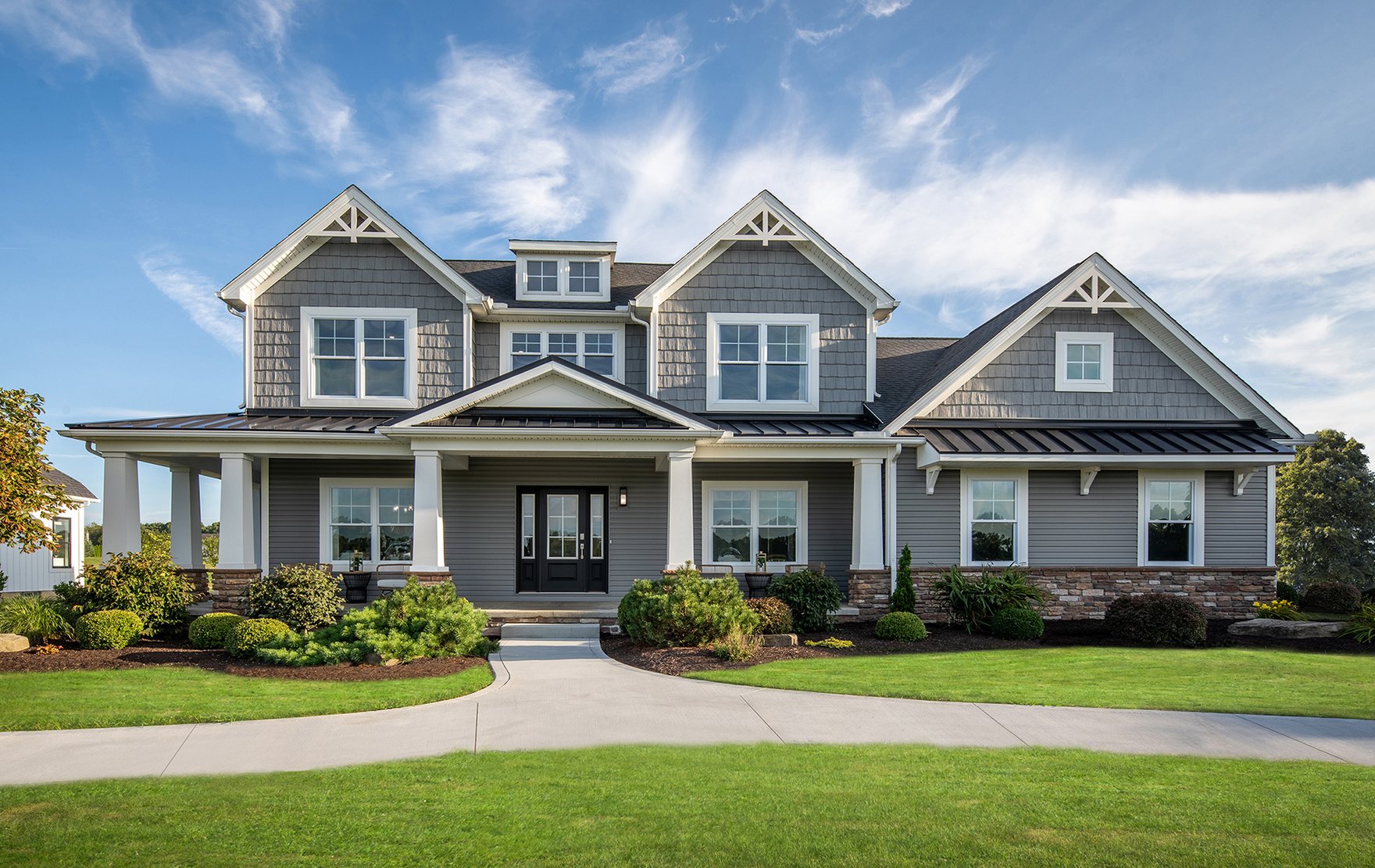
5 Ways a Covered Porch Enhances Your Home’s Charm and Warmth
August 03, 2020
-
Get Your Free Guide Book
Inspiration, process, and more to get you started on the right foot.
-
Find a Design Studio
Our team of experts is available to design and build your dream home typically within 75 miles of our Design Studios. Find a location near you.
Covered porches have become a sought-after home feature because of all the possibilities they offer. At their most basic, they protect the entryways of your home. But when you get creative by adding furniture, landscaping, and decor, a covered porch lets you enjoy your home’s outdoor space in new, unexpected ways.
Want a deeper look at the benefits of a covered porch? Here are five things we at Schumacher Homes consistently see people love about their covered porches.
1. A covered porch is as versatile as it is simple
Even at its most basic, a covered porch becomes whatever kind of space you need it to be. In the morning, it’s a cozy spot for enjoying coffee. When the evening rolls around, it becomes the perfect place to wind down with a cocktail.
Even better, the simplest additions make your covered porch more versatile and enjoyable. A swing, for example, makes the space feel all the more relaxing. Add a few more pieces of outdoor furniture, and now you can entertain guests outdoors.
2. It lets you enjoy the weather while protecting you from it
Do you enjoy reading while listening to the rain? Does the sunshine make you want to watch the birds and butterflies visiting your garden? A covered porch brings you closer to those experiences. It lets you see, hear, and feel the weather all around you while keeping the sun and rain just far enough away.
3. Guests receive a warm welcome
A porch is an extension of your home, usually built at an entryway (unlike a patio, which is a separate structure usually built alongside your home). That means your porch offers a prime opportunity to make a strong impression on guests.
Small touches go a long way here. Put a small sitting area on the opposite side as your porch swing, and now you have a place to sit and chat when neighbors stop by. If you have an elevated porch, consider decorative handrails for the stairs. Potted plants are an easy way to make your porch more colorful and inviting, too.
4. It doubles as a mudroom
Need a dry area to kick off dirty shoes (or wipe off muddy paws) before entering the house? A covered porch keeps your home clean by doubling as a mudroom. It can also help you keep things organized. For instance, place an umbrella stand right by the door so you won’t bring wet ones into the house. You’ll also be more likely to grab an umbrella on your way out for the day.
5. A covered porch increases your home’s curb appeal and resale value
When it comes to curb appeal, covered porches exude the charm, warmth, and versatility many homeowners crave. In the spring and summer, porches create an ideal backdrop for plants, landscaping, and outdoor furniture.
But when the fall and winter arrive, porches transform into holiday spectacles. Jack-o-lanterns, cornstalks, and gourds make great additions for celebrating Halloween and Thanksgiving. And of course, covered porches offer plenty of easily accessible spots to hang lights, wreaths, and bows for Christmas and New Year’s.
All of that heightens your home’s curb appeal, making it more likely you’ll attract a buyer’s attention if you decide to sell.
Have Questions? Let's Talk.
Frequently Asked Questions
When in the planning process should I hire a custom home builder?
Ideally, you should involve a builder before you finalize plans or purchase land. Bringing them in early lets you align design with budget and avoid costly site surprises.
What financial questions should I ask beyond price and contract type?
Ask how and when payments are collected, whether they help coordinate with your lender, and what happens if your appraisal comes in low. Clarify policies for cost overruns.
How is working with a fully custom builder different from a semi-custom or production builder?
Fully custom builders offer more flexibility in floor plans and materials but usually require more decisions. Semi-custom or production builders often limit choices, which can simplify decisions but restrict personalization.
What are warning signs that I should avoid a particular custom home builder?
Be wary of builders who resist putting details in writing or pressure you to sign quickly. Frequent staff turnover, poor responsiveness, or inconsistent online reviews can also signal future problems.
How should I prepare before my first meeting with a custom home builder?
Come with a realistic budget range, a list of must-haves, and any example floor plans you like. If you already own land, bring any surveys or documents you have.
What should I ask about building in an HOA or master-planned community?
Ask if the builder has worked with that HOA before and how they handle architectural review approvals. Confirm how HOA rules might affect your design and exterior materials.
How can I evaluate a builder’s approach to healthy, sustainable materials?
Ask which low-VOC paints and flooring they use by default and what eco-friendly options are available. Request examples of past projects where they incorporated energy-efficient systems and durable materials.