Location
Gray Is The New Beige in Exterior Colors
September 21, 2020
-
Get Your Free Guide Book
Inspiration, process, and more to get you started on the right foot.
-
Find a Design Studio
Our team of experts is available to design and build your dream home typically within 75 miles of our Design Studios. Find a location near you.
A few years ago, nobody had gray in or on their homes. Exteriors were mostly beige or variations in cream and white. Is gray just a fad? We reached out to our friends at Ply Gem to find out more. Most home design experts say gray is the new standard. In particular, neutral gray has been a popular color option. The undertone of this neutral hue is neither warm nor cool making it a more versatile, classic color. Here are a few material options to incorporate gray into the exterior of your home.
Gray Siding
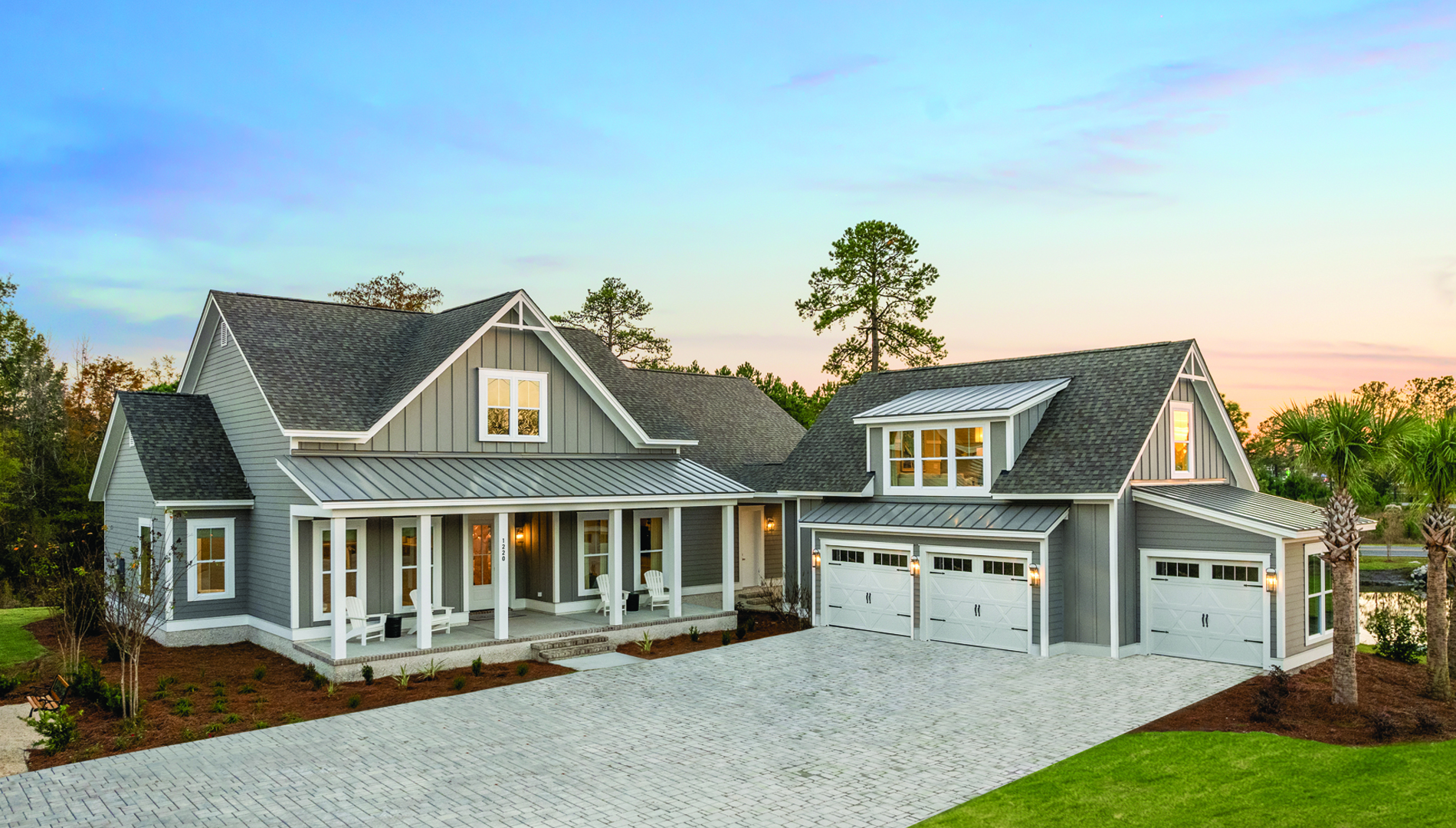
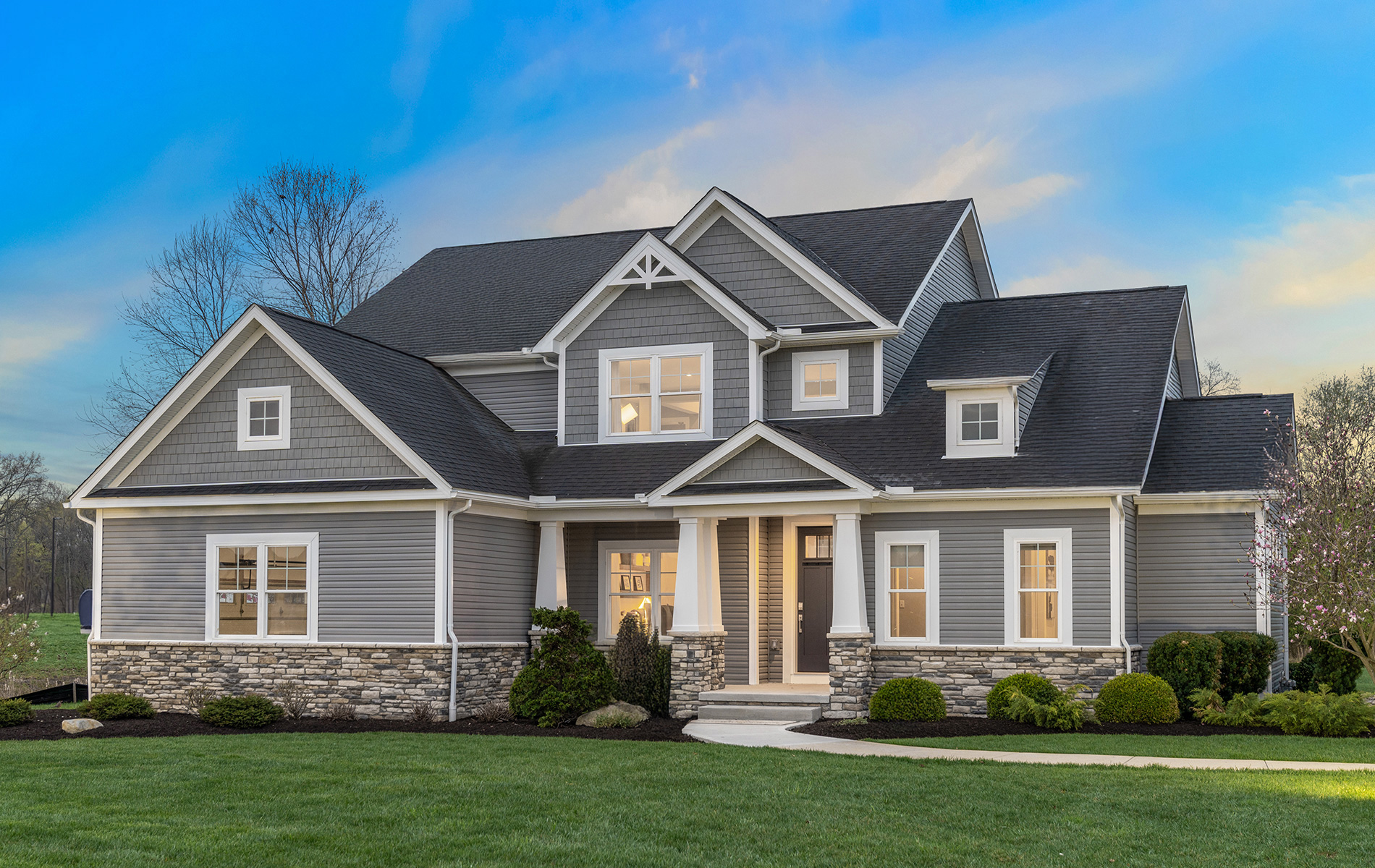
The easiest way to add gray to your home is with gray siding. Because gray is so versatile it can easily be mix and matched with just about any accent colors and trim you can dream of. Here are a few gray siding ideas.
- Trim accents stand out against this light silver-gray siding with white windows
- Blue gray siding is an ideal complement to this stone accent
Gray Stone
Stone veneer gives a vivid pop of color and texture to any space, whether you use it indoors or outdoors. Here are a few gray stone veneer ideas.
- Create a dramatic entryway with gray stone veneer
- Dark gray stone veneer adds character to gardens or outdoor accent areas
- Gray stone veneer can add texture and contrast living or great rooms
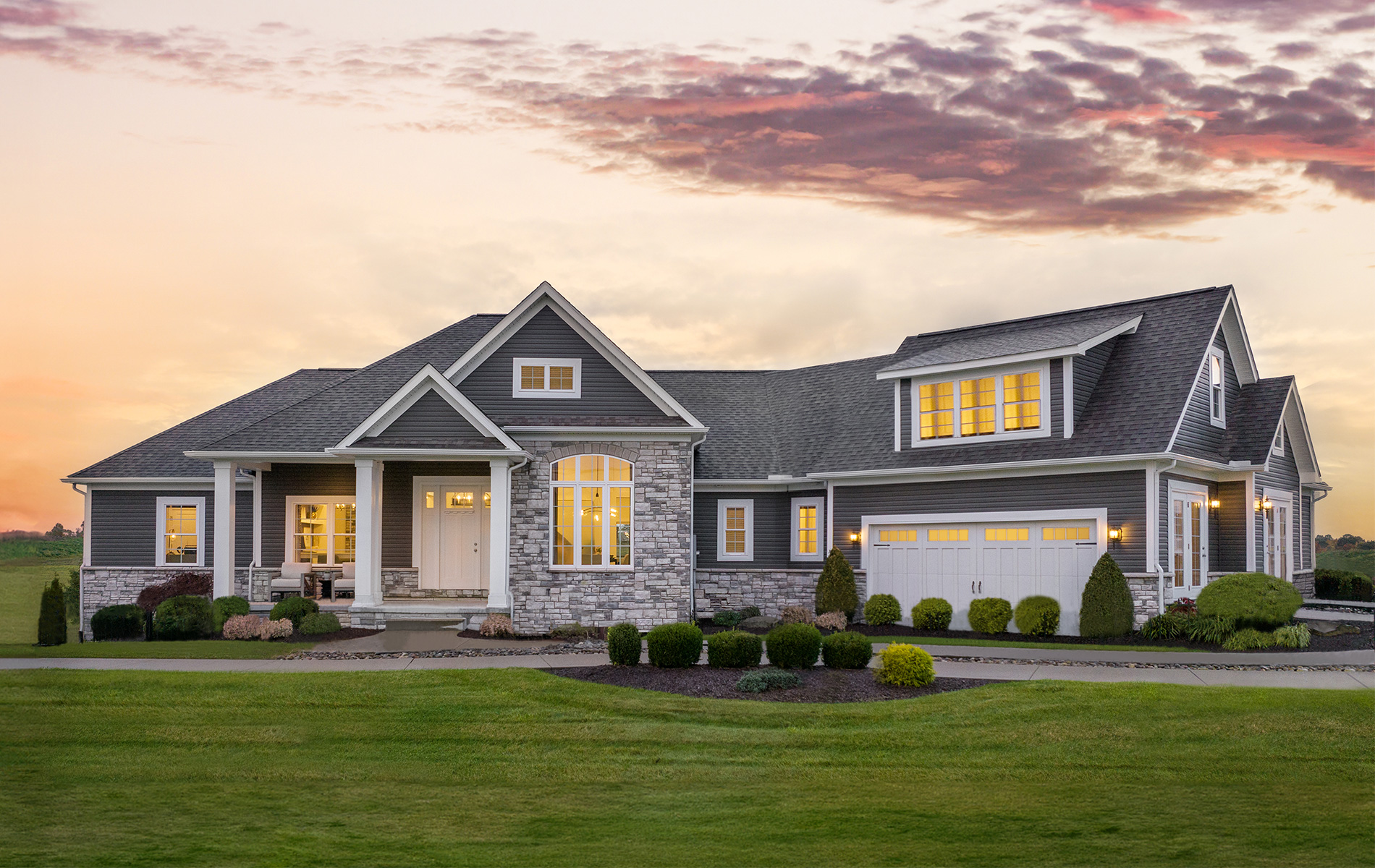
Gray is a great neutral color that can match about any style of home. Whether you choose to incorporate it with siding, windows, or stone veneer, gray will elevate your home design and curb appeal.
Have Questions? Let's Talk.
Frequently Asked Questions
When in the planning process should I hire a custom home builder?
Ideally, you should involve a builder before you finalize plans or purchase land. Bringing them in early lets you align design with budget and avoid costly site surprises.
What financial questions should I ask beyond price and contract type?
Ask how and when payments are collected, whether they help coordinate with your lender, and what happens if your appraisal comes in low. Clarify policies for cost overruns.
How is working with a fully custom builder different from a semi-custom or production builder?
Fully custom builders offer more flexibility in floor plans and materials but usually require more decisions. Semi-custom or production builders often limit choices, which can simplify decisions but restrict personalization.
What are warning signs that I should avoid a particular custom home builder?
Be wary of builders who resist putting details in writing or pressure you to sign quickly. Frequent staff turnover, poor responsiveness, or inconsistent online reviews can also signal future problems.
How should I prepare before my first meeting with a custom home builder?
Come with a realistic budget range, a list of must-haves, and any example floor plans you like. If you already own land, bring any surveys or documents you have.
What should I ask about building in an HOA or master-planned community?
Ask if the builder has worked with that HOA before and how they handle architectural review approvals. Confirm how HOA rules might affect your design and exterior materials.
How can I evaluate a builder’s approach to healthy, sustainable materials?
Ask which low-VOC paints and flooring they use by default and what eco-friendly options are available. Request examples of past projects where they incorporated energy-efficient systems and durable materials.