Location
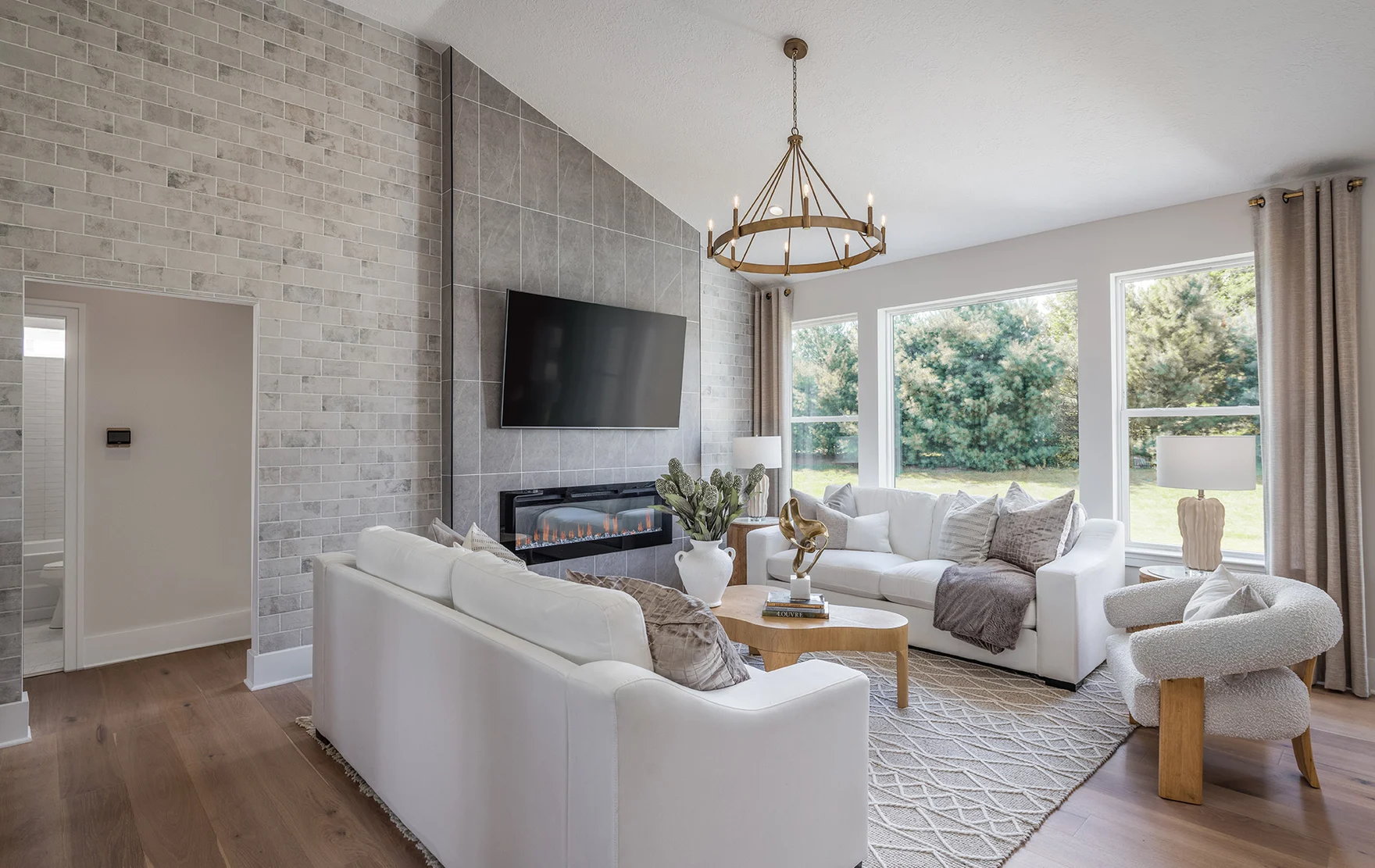
Semi-Closed Floor Plans for Homeowners Rethinking Open Concept
January 14, 2026
-
Get Your Free Guide Book
Inspiration, process, and more to get you started on the right foot.
-
Find a Design Studio
Our team of experts is available to design and build your dream home typically within 75 miles of our Design Studios. Find a location near you.
For years, open floor plan design felt like the obvious answer for modern living. Fewer walls, more light, and shared space for family and entertaining all sounded ideal. But for many homeowners, especially those who have lived in an open concept home for a while, the reality looks different. Noise carries everywhere. Cooking messes are always visible. Finding a quiet living area for work, rest, or privacy becomes harder over time.
That is where semi-closed floor plans come in. These plans create a balance between openness and separation by defining rooms without fully closing them off. Instead of one uninterrupted open space, semi open floor plans use walls, doors, and thoughtful transitions to create separate spaces that still feel connected. For homeowners planning a new build or rethinking their current house, this approach can make all the difference in how the home supports daily life.
At Schumacher Homes, we see more families asking for floor plans that offer flexibility, acoustic privacy, and room-by-room purpose without sacrificing light or flow. Semi-closed layouts do exactly that.
Why Many Homeowners Are Rethinking the Open Floor Plan
Open concept house plans remain popular in new construction, but many homeowners now recognize the tradeoffs. A single shared space can work well for entertaining, yet daily living often requires more separation.
Common challenges we hear from families include:
- Too much noise traveling between rooms
- Lack of acoustic privacy during work calls or school time
- A big kitchen that dominates the entire living space
- No visual break between cooking, dining room, and rest areas
- Difficulty creating private zones for different family members
When every activity happens in one open space, the house can start to feel chaotic rather than comfortable. Semi-closed floor plans respond to this by reintroducing structure in a modern way.
What Makes Semi-Closed Floor Plans Different
Semi-closed floor plans sit between a fully open floor plan and a traditional house with separate rooms and hallways. They rely on strategic design rather than complete separation.
Key features often include:
- Partial walls that define rooms without blocking light
- Pocket doors or French doors that open or close as needed
- Cased openings instead of wide open pass-throughs
- Intentional placement of doors to manage noise and privacy
- Visual separation between living spaces and service areas
The result is a home that still feels open, but with more control over sound, sight lines, and daily flow.
Open vs Semi-Closed vs Traditional House Layouts
| Layout Type | Description | Benefits | Tradeoffs |
|---|---|---|---|
| Open floor plan | One large shared living area with minimal walls | Open space, shared light, easy movement | Noise, clutter visibility, less privacy |
| Semi-closed floor plans | Defined rooms connected by wide openings or doors | Balance of openness and separation | Requires thoughtful planning |
| Traditional house | Fully separate rooms with doors and hallways | Maximum privacy and noise control | Less flexibility, fewer shared spaces |
How Semi-Open Floor Plans Improve Daily Living
Better Noise Control and Acoustic Privacy
Noise is one of the biggest reasons homeowners move away from fully open concept designs. Semi-open floor plans use walls, doors, and layout transitions to reduce sound travel between rooms. Even a short hallway or storage space between living areas can make a noticeable difference.
Adding doors, especially pocket doors, allows you to close off rooms when needed without permanently dividing the space. This is especially helpful for families working from home or households with different schedules.
More Functional Living Spaces
Instead of one oversized room doing everything, semi-closed floor plans allow each living space to serve a purpose. A dining room feels like a destination again. A living area becomes quieter and more relaxing. Bedrooms stay removed from busy shared space.
This layout also makes it easier to create:
- A separate office or study
- A quiet reading or hobby room
- A formal dining room that can flex over time
- A second living area for kids or guests
Flexibility for Changing Family Needs
Families change, and house plans should adapt with them. Semi-closed designs make it easier to create rooms that evolve. A flex room near the entry might start as a dining room, become a playroom, and later convert into a guest bedroom or office.
Because the rooms already have defined walls and doors, these changes feel natural and do not require major remodeling.
Turning an Open Floor Plan into a Semi-Closed Layout
If you already live in an open concept house, you can still introduce more separation without starting over.
Light Design Adjustments
Small changes can create more structure:
- Area rugs to define zones within shared space
- Furniture placement that creates visual breaks
- Lighting changes that highlight different rooms
- Tall bookcases or cabinetry as partial dividers
Moderate Structural Updates
More permanent changes can further improve comfort:
- Adding half walls or short partitions
- Installing pocket doors or French doors
- Creating wider doorways instead of open spans
- Adjusting wall placement to improve flow
These updates help create rooms without closing off the home entirely.
Designing a New Build with Semi-Closed Floor Plans
Building a new home is the best opportunity to get the layout right from the start. At Schumacher Homes, we design house plans that can be tailored to how your family actually lives.
Because we build on your lot, we look at how your land, budget, and lifestyle come together. Many of our floor plans already lean semi open, and others can be customized with added walls, doors, or room transitions. Whether your priority is more privacy, better noise control, or clearer separation between living spaces, we help create a layout that fits.
Our design studios and fully furnished model homes allow you to walk through different floor plans and experience how semi-closed spaces feel in real life. Seeing the difference between open space and defined rooms often makes the decision clear.
Real-World Examples of Semi-Closed Design Choices
Homeowners choosing semi-closed layouts often make intentional decisions such as:
- Positioning bedrooms away from shared space
- Using doors to separate a living area from a big kitchen
- Creating a dining room that feels distinct without being isolated
- Adding walls that hide clutter while keeping sight lines open
- Designing secondary living spaces for kids or guests
Each choice adds comfort and usability without sacrificing openness.
Bringing Your Floor Plan Decision Into Focus
Choosing the right floor plan is about more than trends. It is about how your house supports your family, your lifestyle, and the way you want to live every day. Semi-closed floor plans offer a smart middle ground by blending open space with purposeful separation.
If you are planning a new build and want a layout that truly works for you, we are here to help. At Schumacher Homes, we guide you through plan selection, customization, and design so your home fits your needs now and in the future. Explore our house plans, visit a model home, or connect with our team to start creating a home that makes all the difference.
Have Questions? Let's Talk.
Frequently Asked Questions
How do semi-closed floor plans affect resale value?
These plans appeal to a wide range of buyers, especially families and remote workers who want flexibility and privacy. A balanced layout often attracts more interest than either extreme.
Do semi-open floor plans cost more?
They can add modest costs for walls, doors, and finishes, but they may reduce the need for future renovations. Many homeowners find the long-term value worth it.
Are semi-closed plans good for smaller homes?
Yes. Thoughtful separation can make smaller square footage feel more functional and organized rather than cramped