Location
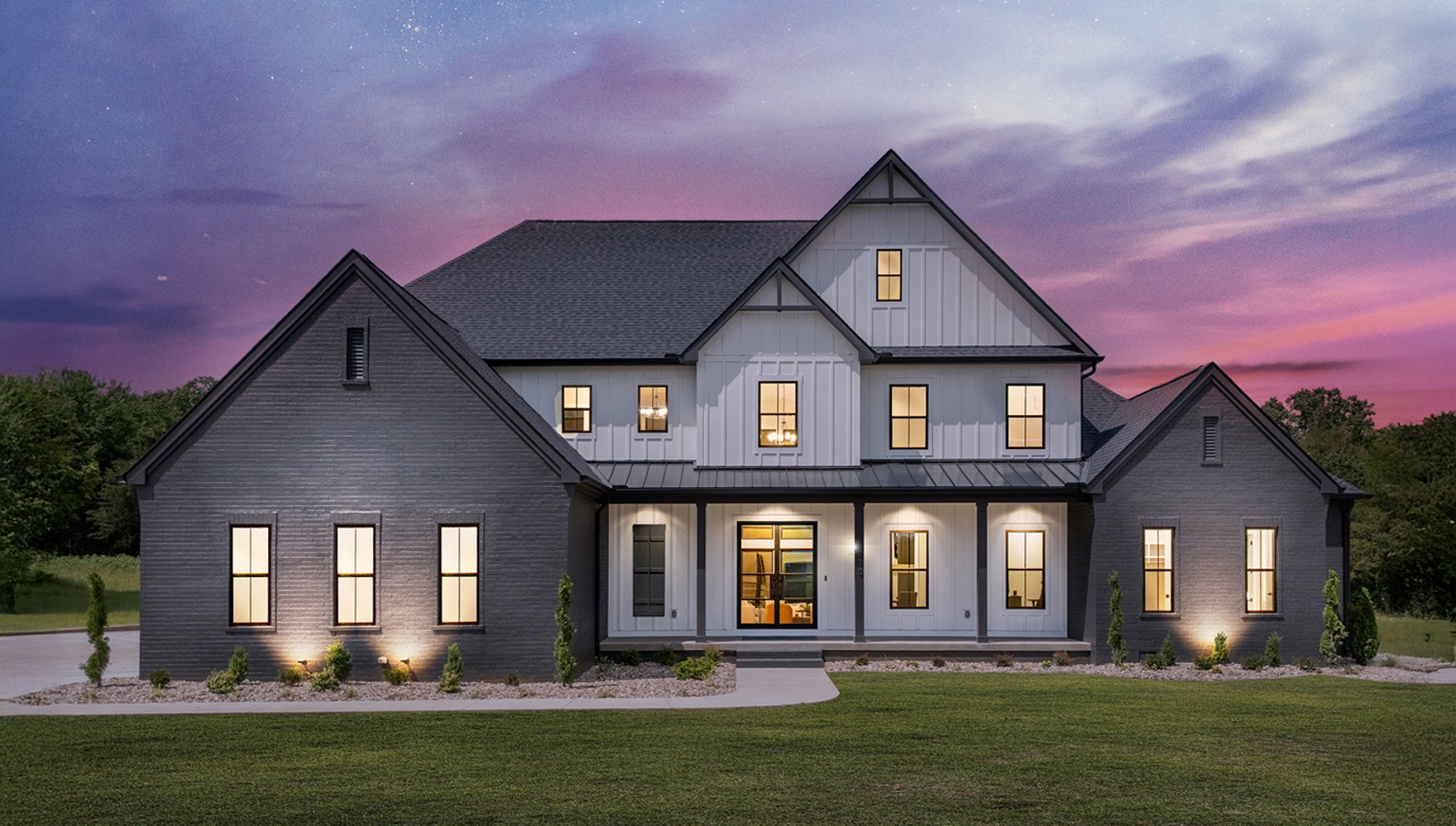
Where to Build Your Custom Home in Nashville by Neighborhood
November 11, 2025
-
Get Your Free Guide Book
Inspiration, process, and more to get you started on the right foot.
-
Find a Design Studio
Our team of experts is available to design and build your dream home typically within 75 miles of our Design Studios. Find a location near you.
If you plan to build a custom home in Nashville, the neighborhood you choose will shape everything from architectural style to permitting pace. Your lot’s slope, utilities, tree canopy, and HOA rules all vary by area, which affects design options, site work costs, and timeline. Start by clarifying the lifestyle you want, then match it to a location whose land characteristics and regulations support the vision.
This guide compares prominent neighborhoods side by side, explains land and permitting realities, and outlines a clear process for moving from lot search to move-in. You will find practical advice on site due diligence, budgeting for land and improvements, and aligning your design to the terrain so you can make confident decisions.
How Nashville Neighborhoods Shape Your Custom Build
Every part of the metro offers a different canvas. Mature, centrally located areas often feature infill lots with alleys, walkability, and smaller setbacks, while southern suburbs tend to offer larger parcels, newer infrastructure, and more predictable grading. Hillside tracts in the southwest corridor call for smart foundations and drainage planning, whereas flatter land to the east can simplify site prep.
Neighborhood covenants and municipal overlays influence what you can design. Tree protection, masonry minimums, height limits, and accessory structure rules can all steer exterior selections. If a property falls under an architectural review committee, plan for a concept submission and revisions before permitting. These realities are not hurdles when you expect them. They become the reason your build is purposeful rather than reactive.
Lot utility matters as much as location. A sewer-connected site can streamline approvals and reduce long-term maintenance compared with septic, while a water main on the lot line can save service-extension costs. Before you fall in love with a view or street, verify utilities, setbacks, and any floodplain or stream buffer that may limit the building footprint.
Best Places to Build Your Dream Home in Nashville: Neighborhood-By-Neighborhood
Below is a high-level comparison of sought-after areas. Use it to narrow your search, then validate details for any specific parcel with a survey, utility verification, and local planning guidance.
| Neighborhood | Lifestyle Vibe | Typical Lot Characteristics | Proximity to Downtown | Regulatory/Design Considerations | Best For |
|---|---|---|---|---|---|
| Green Hills | Upscale, convenient, shopping and dining | Infill parcels, mature trees, some slopes | Shorter commute | Tree protection and context-sensitive design | Buyers seeking central location and privacy |
| Belle Meade | Prestigious, estate feel, quiet streets | Larger lots, heavy canopy, rolling terrain | Shorter commute | Strict standards and aesthetic cohesion | High-end custom estates with classic styling |
| Brentwood | Suburban amenities, parks and top schools | Spacious parcels, newer infrastructure | Moderate commute | HOA guidelines common in planned areas | Families prioritizing space and community |
| Franklin | Historic charm with suburban convenience | Mix of infill near town and larger fringe lots | Moderate commute | Historic context near core, HOA reviews in suburbs | Buyers balancing character and new construction |
| East Nashville | Creative, walkable, eclectic architecture | Smaller infill lots, alleys, established utilities | Shorter commute | Infill compatibility and height controls in pockets | Modern or craftsman infill with urban lifestyle |
| Sylvan Park | Laid back, bungalow streets, greenways | Compact lots, alley access, flat to gentle slope | Shorter commute | Contextual massing and front-porch streetscapes | Right-sized homes with thoughtful front elevations |
| Forest Hills | Wooded, tranquil, estate-scale living | Acreage, grades and drainage planning needed | Moderate commute | Environmental buffers and tree preservation | Large single-level or multi-wing designs |
| College Grove | Rural charm, equestrian and open views | Acreage, potential septic, long driveways | Longer commute | Septic capacity and access-road considerations | Estate homes with outbuildings or ADUs |
Green Hills and Belle Meade: Mature Canopy and Enduring Appeal
Green Hills and Belle Meade reward thoughtful architecture that respects established streetscapes. Expect larger front setbacks, careful tree planning, and a premium on privacy. Homes that pair classic elevations with modern floor plans perform well here.
Rolling topography invites creative foundations and crawl-space storage. A side-loaded or courtyard garage reduces street presence and preserves a gracious front facade. If you value proximity to shopping and medical services alongside a quiet lot, this corridor belongs on your short list.
Brentwood and Franklin: Suburban Space and School-Centered Living
South of the city, Brentwood and Franklin offer roomier parcels, family-friendly amenities, and a strong community feel. Planned developments often come with HOA guidelines that clarify exterior materials, roof pitches, and fence types, which can actually expedite approvals once you align your design.
These areas are also known for well-regarded schools and parks. If your priority is multi-car garages, dedicated home offices, and generous outdoor living, the suburban south provides a straightforward path to those goals with fewer site constraints than urban infill.
East Nashville and Sylvan Park: Creative Energy and Convenient Infill
Closer to the core, East Nashville and Sylvan Park deliver walkability and character. Lots are typically narrower with alley access, which encourages detached garages and rear-loading designs. Sewer service is common, simplifying long-term maintenance compared with septic.
Modern and craftsman influences are both at home here. A right-sized footprint that respects daylight planes and neighboring heights can result in a smooth review. If you value being minutes from restaurants and greenways, this is an ideal match.
Forest Hills and College Grove: Acreage and Estate-Caliber Builds
Forest Hills and College Grove invite expansive single-level plans, separate guest quarters, and barns or workshops. With acreage, the site plan matters as much as the floor plan. Driveway alignment, water flow, and views determine where the house naturally belongs.
Septic feasibility and soil quality often guide the layout. Plan for a soils test early and design the home to work with the land’s natural contours. Buyers seeking privacy, starry skies, and room for hobbies will find these settings compelling.
Costs, Budgets, and Land Availability Across the Metro
Lot supply shapes both price and timing. A recent Greater Nashville REALTORS Yearly Housing Report noted 1,874 farm, land and lot closings in 2024, an 8 percent year-over-year decline. Fewer closings point to tightening inventory, so locating the right parcel may take persistence and a clear set of must-haves.
County-to-county differences are real. The same report identified a median land price of $244,000 in Williamson County at the end of 2024, reflecting demand for schools and amenities. If your target area sits in a premium market, budget accordingly for land and consider cost-saving strategies in site work and plan selection.
Every custom build budget has two major buckets: the house itself and the work required to make your land build-ready. Keep the following line items visible from day one:
- Land acquisition costs and closing expenses
- Survey, soils testing, and engineering
- Utility connections or extensions for water, power, gas, and sewer
- Driveway, grading, drainage, and erosion control
- Permits, impact fees, and HOA or architectural review fees
- Exterior features such as porches, decks, and retaining walls
- Contingency for unknowns uncovered during excavation
Right-sizing the plan can preserve design intent while aligning the budget to neighborhood norms. For example, a flexible ranch such as the Davidson ranch plan delivers main-level convenience that suits many Nashville lots, while a classic two-story like the Belmont plan provides separation between public and private spaces without inflating the footprint.
Permits, Zoning, and a Realistic Timeline
Schedule planning is part art and part patience. A Greater Nashville Realtors report cited 7.5 months as the average time in 2024 to secure a single-family custom-home building permit in Nashville, covering zoning, plan review, and approval. Build your target move-in date by working backward from this milestone and adding time for design and site work.
Market momentum helps. The Nashville–Davidson–Murfreesboro–Franklin area posted one of the largest year-over-year increases in custom-home starts among Southeast markets, supported by suburban lot supply and comparatively streamlined county reviews. That environment can smooth approvals when your submittals are complete and coordinated.
Step-By-Step to Build a Custom Home in Nashville
Use this sequence to maintain momentum and reduce surprises as you move from idea to keys in hand.
- Clarify lifestyle filters and a firm budget ceiling, including land and site work.
- Shortlist two or three neighborhoods whose lot types match your goals.
- Get pre-qualified for construction financing so you can move fast on the right parcel.
- Walk candidate lots with a builder and, when needed, a civil engineer.
- Order due diligence: survey, soils and perc tests, utility verification, and preliminary title.
- Select a preliminary plan or series to test fit and orientation on the survey.
- Complete a site-fit study for grading, driveway approach, and drainage paths.
- Prepare and submit HOA or architectural review packages if applicable.
- Finalize construction drawings and submit for permits with a clean, complete set.
- Make design selections while permits are in review to prevent schedule gaps.
Site Due Diligence Essentials
Before committing to a lot, confirm these fundamentals so your plan and budget rest on solid ground.
- Topography and tree-canopy mapping to guide grading and preservation
- Utility locations and connection costs for water, sewer or septic, gas, and power
- Setbacks, easements, floodplain, and stream buffers that shape the building envelope
- Soils bearing capacity and any special foundation or retaining needs
- Driveway access and sight-line safety on curving or hilly roads
- Any overlays, historic contexts, or neighborhood design standards
Matching plan to lot is central to success. Multi-generational layouts like the Lexington plan can be adapted to sloped sites with walk-out living, while maintaining privacy between household members. For an in-person sense of scale and finishes, touring a fully furnished model such as the Windsor II Modern Farmhouse model in Nashville helps you visualize how rooms live day to day.
Design Choices and Sustainability That Fit Your Lot
Nashville’s lot diversity invites smart, sustainable decisions that reduce lifetime costs. Orientation drives daylight, which influences window placement and overhangs. Shaded facades benefit from passive cooling strategies, while southern exposures can be pre-wired to be solar ready.
Right-sizing also matters. A 2,400–3,200-square-foot program can live larger with pocket offices, walk-in pantries, and covered outdoor rooms that extend living areas without overbuilding. Cities that encourage smaller, better-located parcels and accessory dwelling options often see lower infrastructure costs, a perspective echoed in a Smart Growth America Knowledge Hub brief on right-sized lots and flexible zoning. The takeaway is practical: efficient lots paired with thoughtful design tend to optimize both budget and lifestyle.
For aesthetics, align style with place. Urban infill welcomes modern or craftsman exteriors that speak to street rhythm, while suburban and rural parcels can carry farmhouse, American Tradition, or French Country influences with ease. Touring a fully furnished model provides clarity on ceiling heights, window proportions, and trim details that photographs seldom capture.
A Smoother Path With a Home Builder That Focuses on Your Land
When you want a tailored plan on your own lot, an on-your-land specialist simplifies the experience. A single team that coordinates surveying, plan adaptations, and permitting eliminates handoffs that cause delays. The design-to-construction handoff is cleaner when selections, structural options, and site assumptions live in one system.
Schumacher Homes builds affordable custom homes exclusively on customers’ lots and streamlines decisions through one-stop-shop design studios and fully furnished model homes. That integrated approach pairs award-winning plans with site-specific adjustments so your home fits both your lifestyle and your property. Regional familiarity with Nashville suburbs and infill patterns helps align exterior styles and materials with local expectations.
If you prefer to see spaces before you choose, touring the Windsor II Modern Farmhouse in Nashville offers a tactile sense of scale, finishes, and flow. For service areas and building radius details, consult the Nashville build area overview to verify that your lot sits within current coverage.
Ready to Build Your Custom Home in Nashville With Confidence
Choosing where to build a custom home in Nashville starts with lifestyle priorities and ends with a lot that supports your vision. With a realistic timeline, clean due diligence, and a plan that fits the land, your project can move from concept to permitting without detours.
Schumacher Homes combines on-your-lot expertise, a comprehensive design studio experience, and integrated construction financing to keep your build organized from the first site walk to the final walkthrough. Tour a fully furnished model like the Windsor II Modern Farmhouse, review the Nashville build area details, or start a conversation at schumacherhomes.com to take the next step.
If you are ready to build a custom home in Nashville, align your neighborhood shortlist, budget, and timeline now so the moment the right lot appears, you can move with confidence.
Have Questions? Let's Talk.
Frequently Asked Questions
How can I estimate ongoing costs like property taxes and HOA dues before I buy a lot?
Check the county assessor’s site for current mill rates and use recent comparable land and new-construction assessments to project taxes. Request HOA governing documents and budgets to understand dues, special assessments, and design-review fees.
What should I know about construction financing and draw schedules for a custom home builder?
Most custom homes use a construction-to-permanent loan with interest-only payments during the build. Lenders release funds in stages (draws) tied to inspections—confirm the draw calendar, inspection fees, and rate-lock options up front.
How do I time a Nashville build around weather and supply lead times?
Plan site work for drier months to minimize delays from saturated soils, and order long-lead items like windows, HVAC equipment, and specialty doors during design. Add buffer time around holidays and spring storm season for inspections and trades availability.
What insurance coverage should be in place during construction?
Obtain builder’s risk insurance to cover the structure and materials, and ensure the contractor carries general liability and workers’ compensation. If the lot is near a waterway, consult your insurer about flood coverage requirements before breaking ground.
How can I future-proof a custom home for strong resale in the Nashville area?
Prioritize flexible floor plans with a main-level suite, ample storage, and outdoor living that appeals to broad buyer segments. Choose durable, region-appropriate materials and keep mechanicals accessible for easier maintenance and inspections.
How do I research future development, zoning changes, and potential school rezoning?
Review Metro Nashville Planning and neighboring county planning portals for future land-use maps, corridor studies, and rezoning applications. Check school district boundary proposals and capital plans to understand potential shifts over the next 3–5 years.
What’s the best way to handle temporary housing and the timing of selling my current home?
If possible, delay listing until framing is complete and a firm closing window is set; otherwise, arrange a short-term rental or leaseback. Coordinate with your lender and builder to align the final draw, certificate of occupancy, and move-in date.